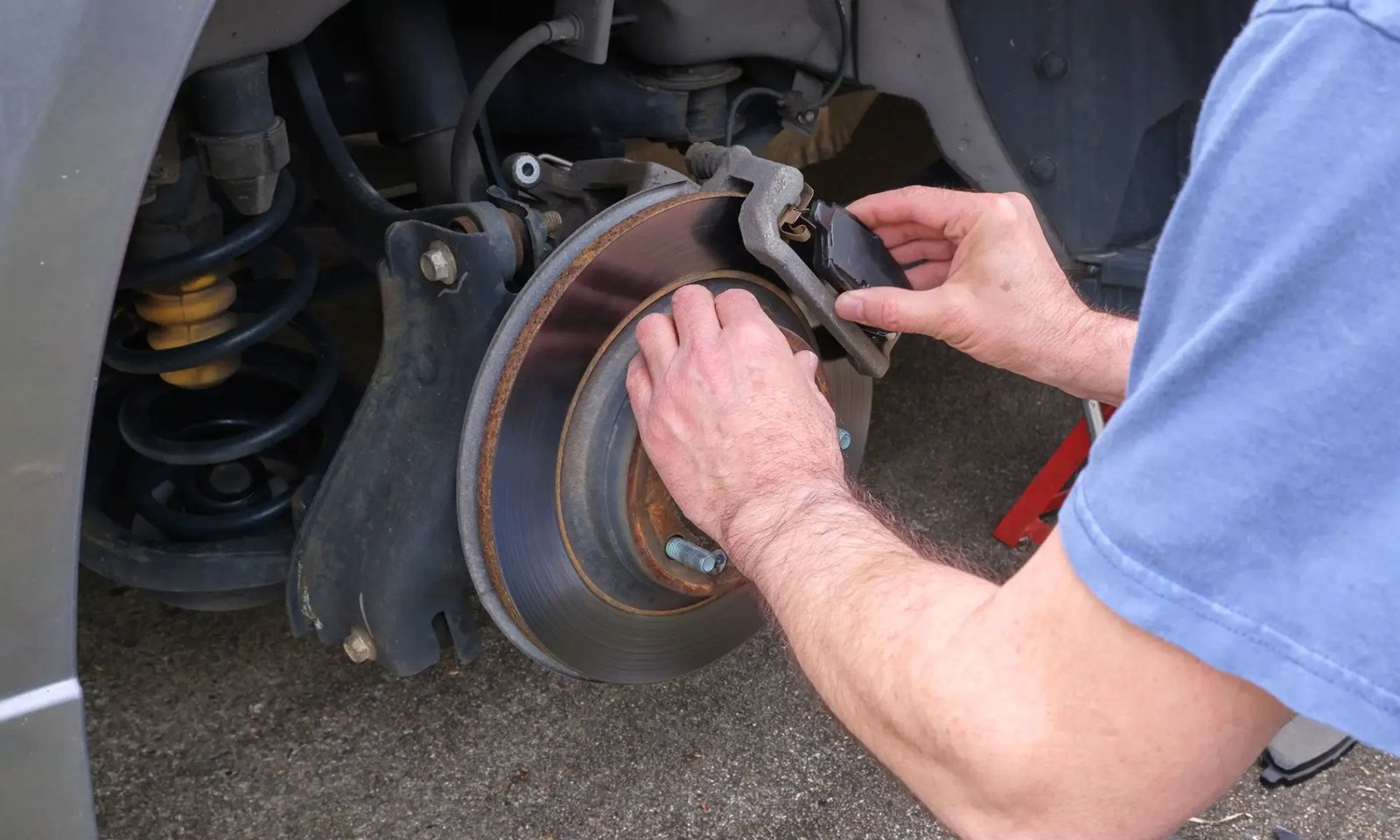
Your car’s braking system is one of the most important safety components, and brake pads play a critical role in keeping you safe on the road. Ignoring worn brake pads can lead to longer stopping distances, damaged brake discs, and costly repairs. In this complete guide, we’ll explain when you should replace your car brake pads, common warning signs, replacement intervals, and why timely service matters.
What Are Brake Pads and Why Are They Important?
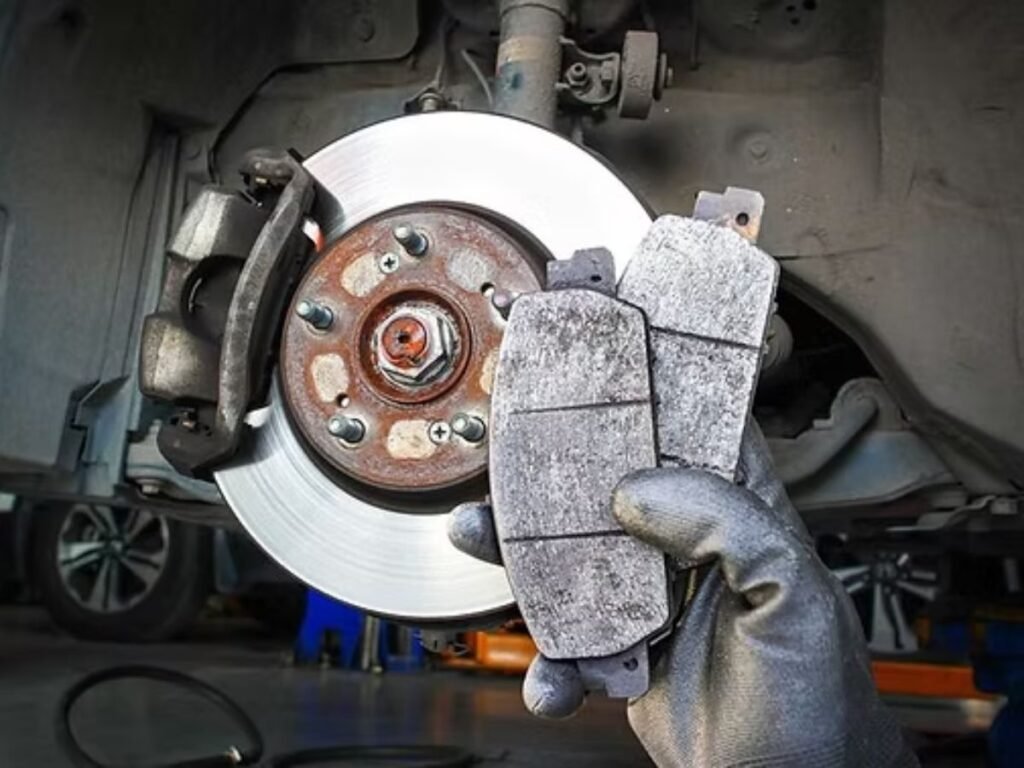
Brake pads are friction components that press against the brake disc (rotor) when you apply the brakes. This friction slows down and stops your vehicle. Over time, brake pads wear down due to regular driving, heat, and road conditions. Worn brake pads reduce braking efficiency and can put extra stress on other parts of your braking system, leading to expensive damage if not replaced on time.
Common Signs You Need Brake Pad Replacement
Knowing the warning signs can help you replace brake pads before they cause serious problems.
- Squeaking or Grinding Noise: A high-pitched squealing sound usually means the brake pads are worn. Grinding noises often indicate the pads are completely worn out and metal is rubbing against metal.
- Reduced Braking Performance: If your car takes longer to stop or the brakes feel less responsive, your brake pads may be worn and need immediate replacement.
- Brake Warning Light: Many modern vehicles have a brake wear indicator or warning light that alerts you when brake pads are nearing the end of their life.
- Vibrations While Braking: If you feel vibrations or pulsation when braking, it could be due to unevenly worn brake pads or damaged brake discs caused by delayed replacement.
- Thin Brake Pads: During a visual inspection, if the brake pads appear thinner than 3 mm, it’s time to replace them.
How Often Should You Replace Brake Pads?
There’s no fixed timeline, but on average:
- Every 30,000–50,000 km for most vehicles
- Earlier if you drive in heavy traffic, hot climates, or hilly areas
- Front brake pads usually wear faster than rear ones
Driving habits, vehicle type, and road conditions all affect brake pad lifespan.
What Happens If You Don’t Replace Brake Pads on Time?
Delaying brake pad replacement can lead to:
- Damaged brake discs (rotors)
- Increased repair costs
- Reduced braking efficiency
- Safety risks for you and other drivers
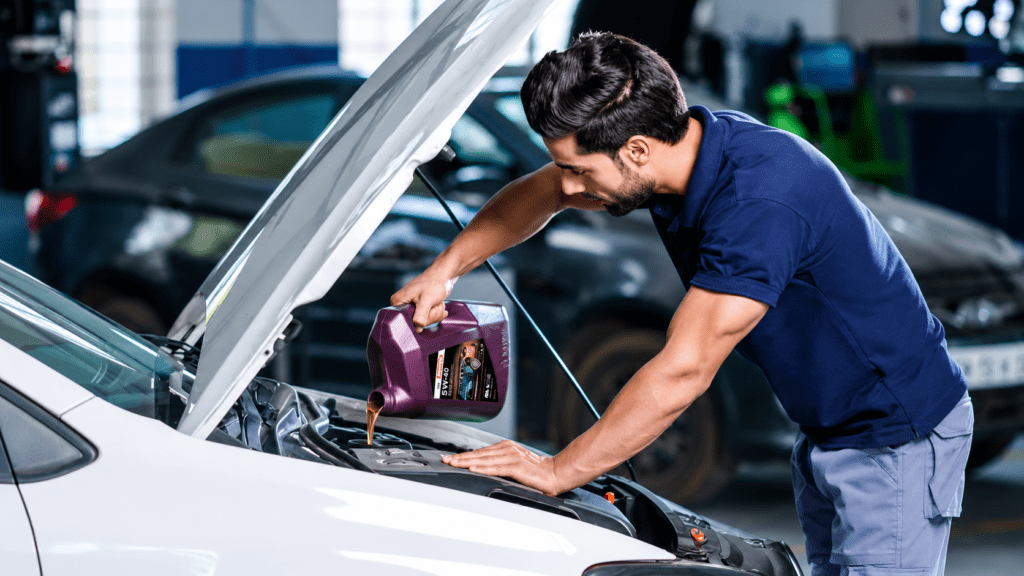
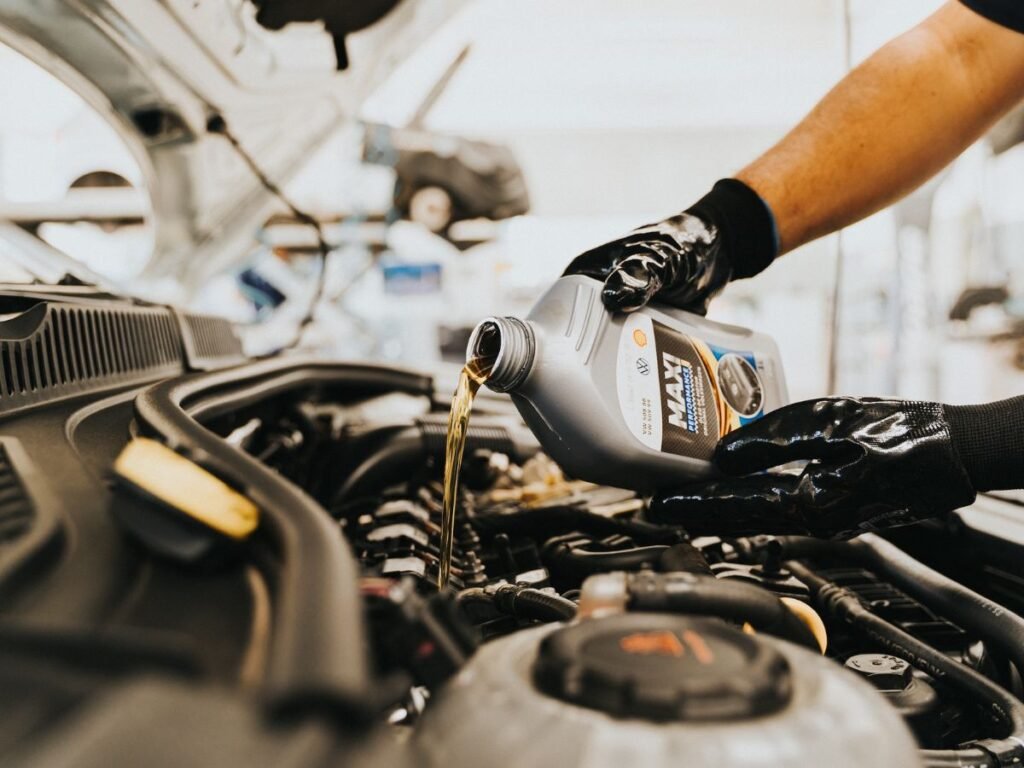
Just like skipping a regular oil change can damage your engine, ignoring worn brake pads can damage your entire braking system.
Brake Pad Replacement Process: What to Expect
A professional brake pad replacement service typically includes:
- Brake system inspection
- Removal of worn brake pads
- Cleaning and lubrication of brake components
- Installation of new brake pads
- Testing for proper braking performance
If needed, technicians may also recommend brake disc resurfacing or replacement.
Can Brake Pads Be Replaced On-Site?
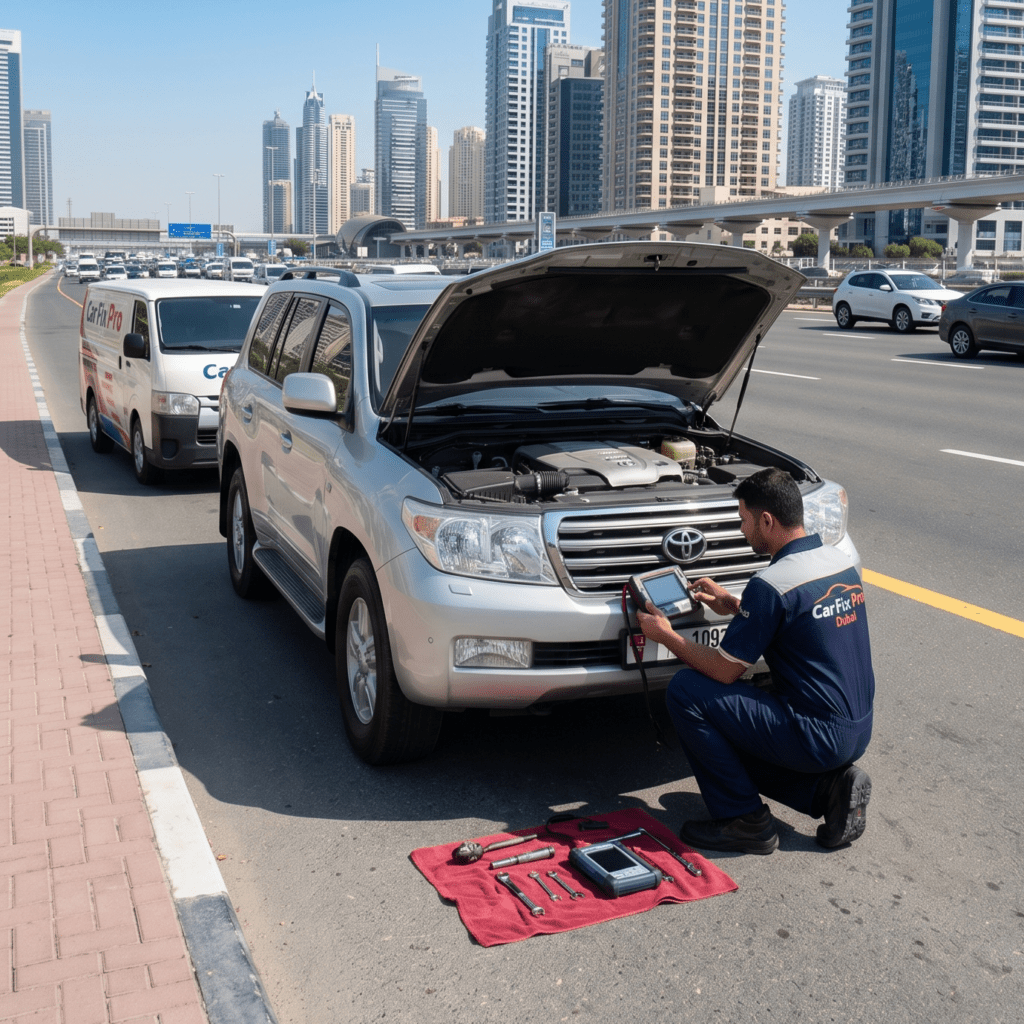
Yes. With a mobile car mechanic like Car Fix Pro Dubai’s, brake pad replacement can often be done at your home, office, or roadside—saving you time and avoiding towing costs. This is especially helpful if your vehicle is unsafe to drive due to worn brakes.
Why Regular Car Maintenance Matters
Brake pads don’t wear alone—your car works as a system. Regular maintenance like car battery health check, oil change, and brake inspections help keep your vehicle reliable and prevent sudden breakdowns. A weak battery, can leave you stranded, while neglected oil changes can reduce engine life. Combining these services ensures better performance and safety.
When Should You Book a Brake Pad Replacement?
You should book a brake pad replacement if:
- You notice any warning signs mentioned above
- Your vehicle has crossed the recommended mileage
- You’re preparing for a long drive or road trip
- Your mechanic recommends it during routine servicing
- Early replacement saves money and keeps your car safe.