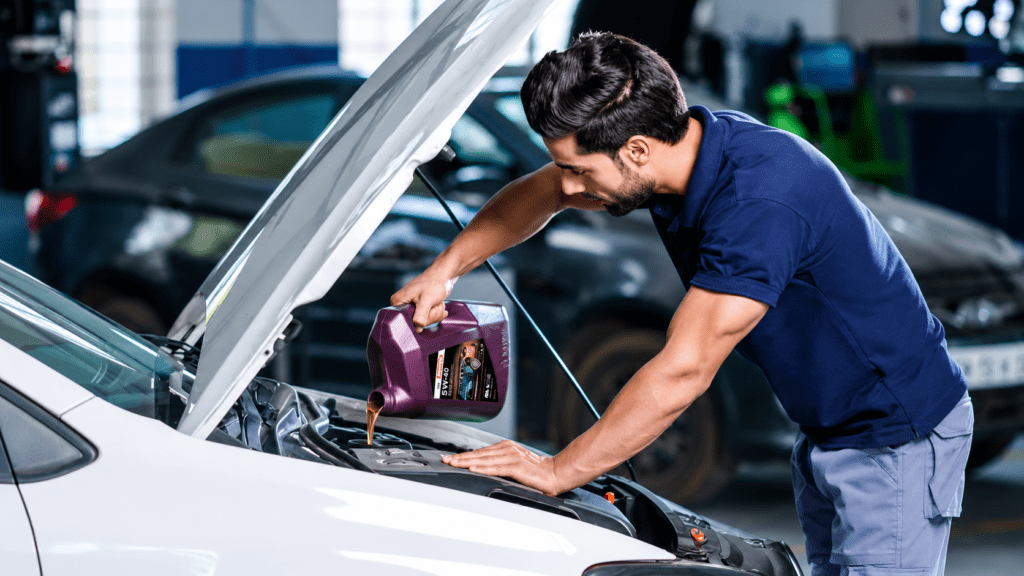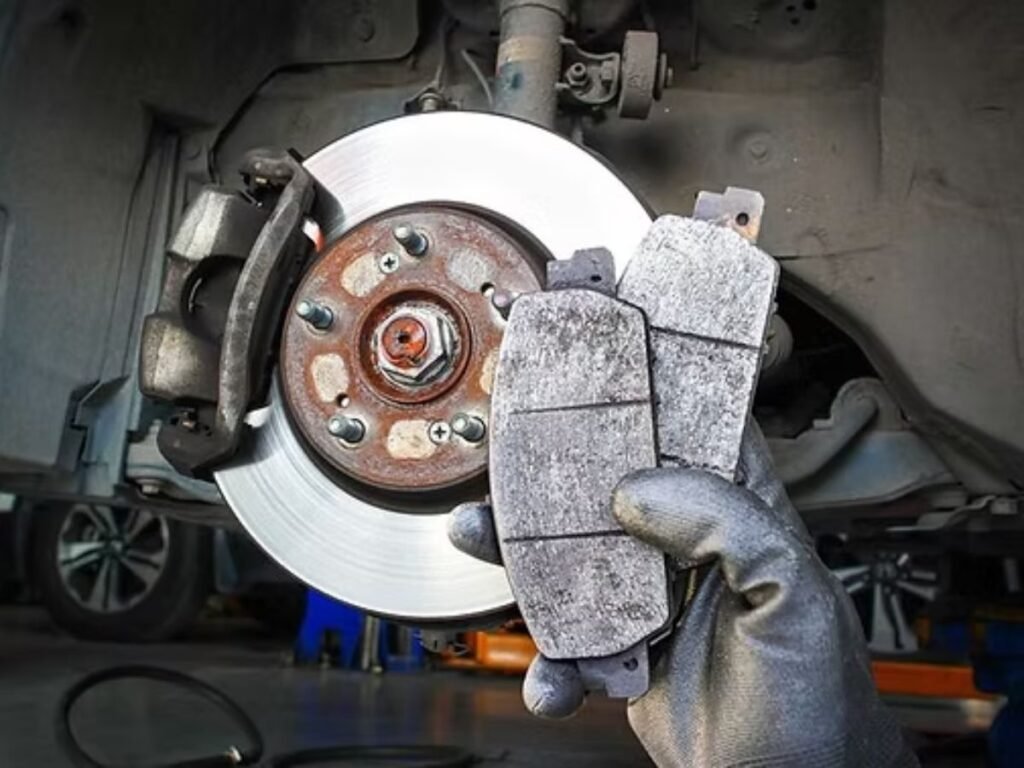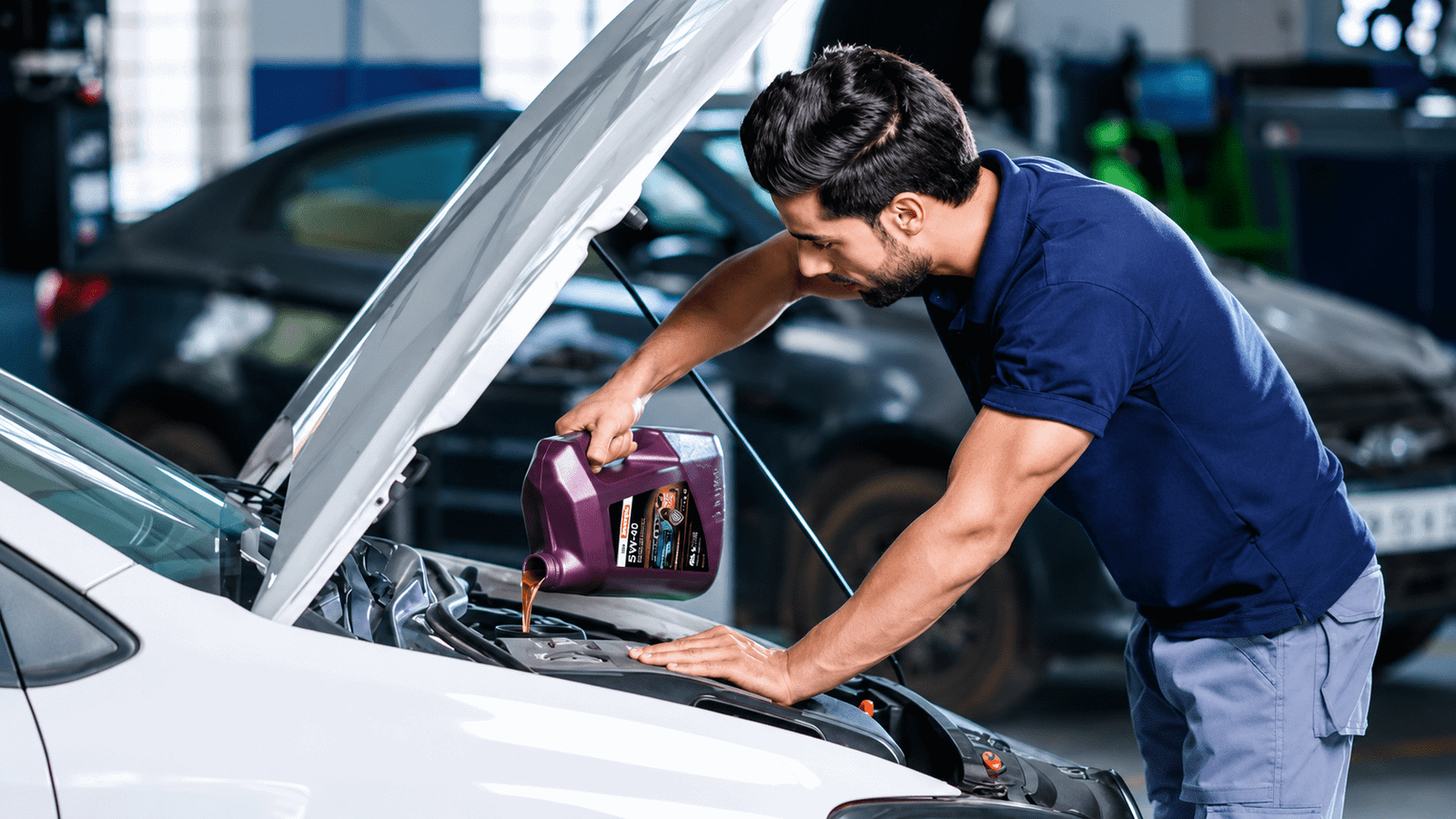
Engine oil is often called the lifeblood of your car’s engine, and for good reason. It lubricates moving parts, reduces friction, removes heat, and helps keep the engine clean. But like every other fluid in your vehicle, engine oil doesn’t last forever. Over time, it breaks down, becomes contaminated with dirt and carbon deposits, and gradually loses its ability to protect your engine.
Many drivers postpone an oil change because the car still seems to be running normally. Unfortunately, engine damage doesn’t happen overnight. It happens little by little, often without any obvious warning, until a small maintenance job turns into an expensive repair.
If you continue driving with old or contaminated engine oil, your engine has to work much harder than it should. Increased friction, excessive heat, and poor lubrication can cause internal components to wear prematurely, reduce fuel efficiency, affect performance, and eventually lead to serious engine failure.
The good news is that regular oil changes are one of the easiest and most affordable ways to keep your engine healthy. In this guide, we’ll explain exactly what happens when you skip an oil change, the warning signs to look for, and how timely maintenance can help you avoid costly repairs.
Why Changing Engine Oil is So Important?
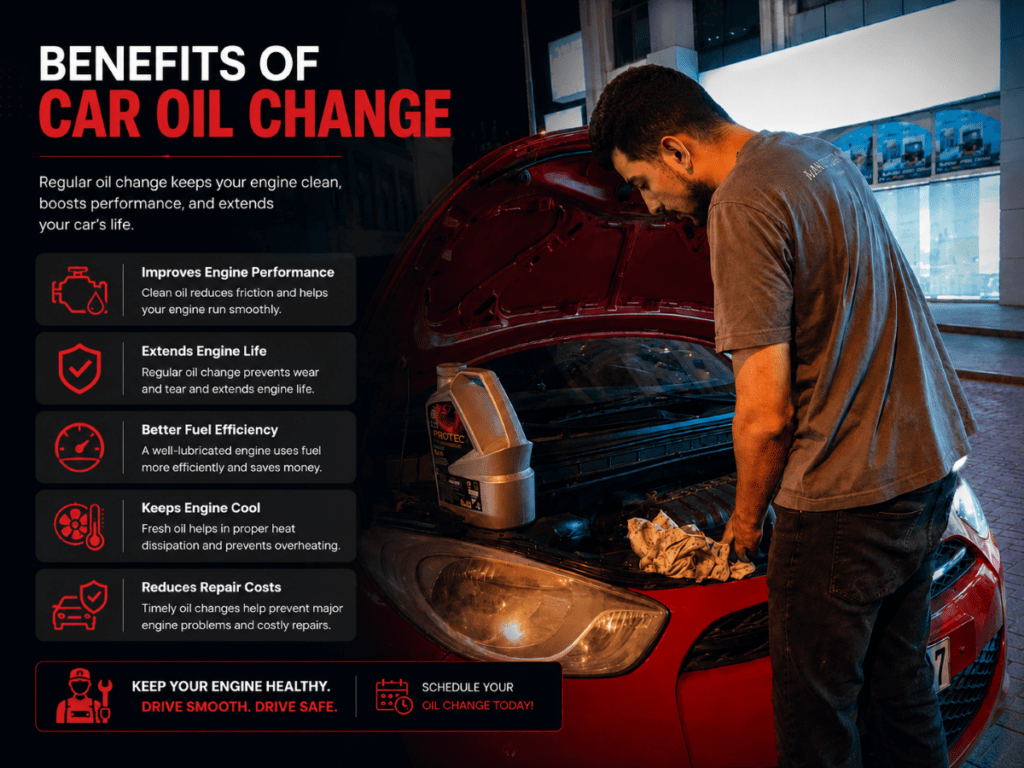
Many people think engine oil simply “keeps the engine lubricated.” While that’s true, modern engine oil does much more than that. It performs several important jobs every time your engine is running. Without clean engine oil, thousands of metal components inside your engine would rub directly against each other, creating extreme heat and wear within minutes.
Let’s look at why engine oil is so important.
It Reduces Friction Between Engine Parts
Your engine contains hundreds of moving metal components working together at extremely high speeds. Pistons, crankshafts, camshafts, bearings, valves, and timing components all depend on a thin layer of engine oil to prevent direct metal-to-metal contact. Fresh engine oil creates a protective film that allows these parts to move smoothly while minimizing wear. When engine oil becomes old or contaminated, that protective layer starts to disappear, increasing friction throughout the engine.
It Helps Cool the Engine
Most drivers know that the radiator helps cool the engine, but many don’t realize engine oil also plays an important role in controlling engine temperature. As oil circulates through the engine, it absorbs heat from internal components and helps carry it away, preventing excessive temperatures.
When oil loses its effectiveness, it can’t remove heat efficiently, increasing the risk of overheating—especially during Dubai’s hot summers.
It Cleans the Engine
Every time your engine runs, tiny carbon particles, dust, and microscopic metal fragments are produced. Engine oil collects these contaminants and carries them to the oil filter, preventing them from circulating through the engine. Over time, however, the oil becomes saturated with contaminants. Instead of cleaning the engine, dirty oil begins leaving sludge and deposits inside critical engine passages.
It Protects Against Rust and Corrosion
Moisture can naturally build up inside an engine due to temperature changes and condensation. Quality engine oil contains additives that help protect internal components from rust and corrosion. As oil ages, these protective additives gradually break down, leaving engine parts more vulnerable.
It Improves Fuel Efficiency
A well-lubricated engine doesn’t need to work as hard. When friction is reduced, the engine operates more efficiently, which often results in better fuel economy. Dirty oil creates more resistance inside the engine, meaning your vehicle uses more fuel to produce the same performance.
It Extends Engine Life
Regular oil changes are one of the most effective ways to increase the lifespan of your engine. Replacing old oil before it loses its protective properties helps reduce wear, maintain performance, and prevent unnecessary damage to expensive engine components.
What Happens If You Don’t Change Your Car Engine Oil?
One of the biggest misconceptions is that missing an oil change once will immediately destroy your engine. In reality, engine damage happens gradually. The longer old oil remains inside the engine, the more its protective properties break down.
Here’s what typically happens.
Stage 1: The Engine Oil Starts Losing Its Protective Properties
Fresh engine oil contains special additives that help lubricate, clean, cool, and protect the engine. Over time, these additives break down due to heat, pressure, and continuous use. Although the oil may still look acceptable, it is no longer providing the same level of protection.
At this stage, most drivers don’t notice any obvious symptoms.
Stage 2: Dirt and Sludge Begin Building Up
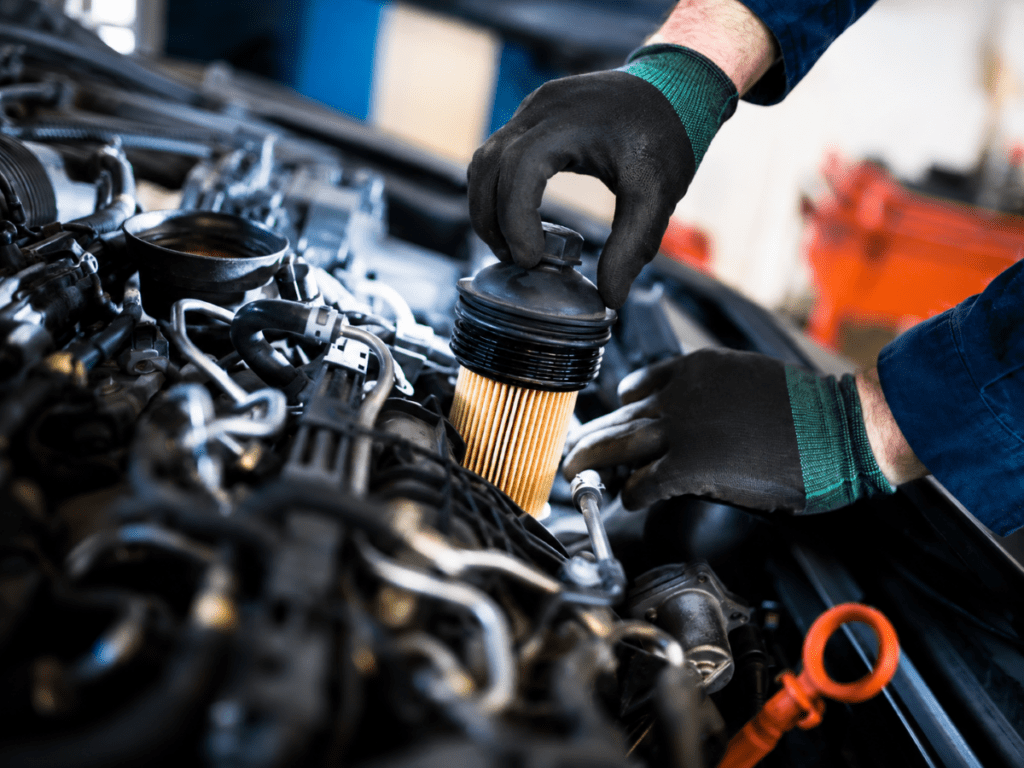
As the oil continues circulating through the engine, it collects dirt, carbon deposits, dust, and tiny metal particles. Normally, the oil filter removes many of these contaminants, but eventually both the oil and the filter become saturated. Instead of flowing freely, the oil begins forming thick sludge inside the engine.
This sludge can block narrow oil passages, reducing lubrication to important engine components.
Stage 3: Engine Friction Increases
Once the oil loses its lubricating ability, metal components begin rubbing together more than they should.
This increases internal friction, causing faster wear on:
- Pistons
- Bearings
- Camshafts
- Crankshaft
- Valve train components
- Timing components
The damage may not be visible from the outside, but it’s gradually shortening the life of your engine.
Stage 4: Engine Temperature Begins Rising
Old engine oil cannot absorb and transfer heat as effectively as fresh oil. As temperatures increase, engine components expand more than normal, putting additional stress on seals, gaskets, and moving parts.
In Dubai, where ambient temperatures regularly exceed 40°C, delaying an oil change can place even greater strain on your engine.
Stage 5: Engine Performance Starts Declining
Once lubrication decreases and sludge begins restricting oil flow, you’ll likely notice changes in how your car drives.
Common symptoms include:
- Slower acceleration
- Rougher engine operation
- Increased engine noise
- Reduced fuel economy
- Less responsive performance
Many drivers assume these problems are caused by aging vehicles, when in reality, overdue engine oil is often a contributing factor.
Stage 6: Severe Engine Damage
If old engine oil continues circulating for too long, some engine components may no longer receive adequate lubrication. This can lead to excessive wear on bearings, damaged piston rings, scoring inside the cylinders, and in extreme cases, complete engine failure.
Repairing this type of damage is significantly more expensive than keeping up with routine oil changes.
10 Warning Signs Your Car Needs an Engine Oil Change
- Engine Oil Warning Light Comes On.
- The Engine Becomes Noisier.
- Dark, Thick Engine Oil.
- Reduced Engine Performance.
- Poor Fuel Economy.
- Burning Oil Smell.
- Excessive Exhaust Smoke.
- Engine Running Hotter Than Normal.
- Vibrations While Idling.
- Don’t know when to change
Can Old Engine Oil Damage Your Engine?
Yes. Over time, old engine oil gradually loses its ability to protect your engine. As the oil breaks down, it becomes contaminated with dirt, carbon deposits, moisture, and microscopic metal particles. Instead of reducing friction, it begins to increase wear on important engine components.
Without proper lubrication, moving parts generate more heat and experience greater stress every time the engine runs. Bearings, pistons, camshafts, crankshafts, and valve train components all rely on clean engine oil to operate smoothly.
How Often Should You Change Your Car’s Engine Oil?
One of the most common questions car owners ask is, “How often should I change my engine oil?” The answer depends on several factors, including your vehicle manufacturer, the type of engine oil being used, your driving habits, and the conditions in which you drive.
Many modern vehicles can travel longer between oil changes than older models, especially when using high-quality synthetic engine oil. However, if you frequently drive in heavy traffic, make short trips, tow heavy loads, or regularly drive in Dubai’s high temperatures, your engine oil may need replacing sooner than the standard service interval.
Instead of relying on a fixed mileage alone, it’s always best to:
- Follow the service interval recommended in your owner’s manual.
- Check the engine oil level and condition regularly.
- Replace the oil and oil filter together.
- Have your vehicle inspected if you’re unsure when the last oil change was performed.
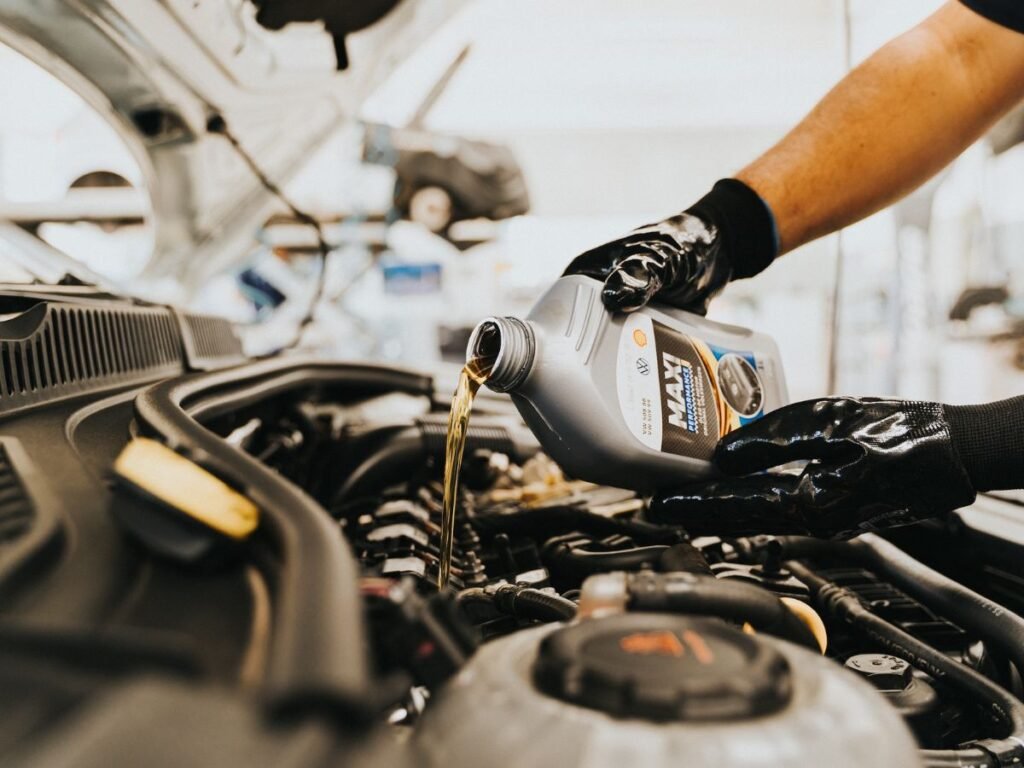
Keeping up with routine oil changes is one of the simplest ways to protect your engine and avoid unnecessary repairs.
Can a Mobile Mechanic Change Your Engine Oil?
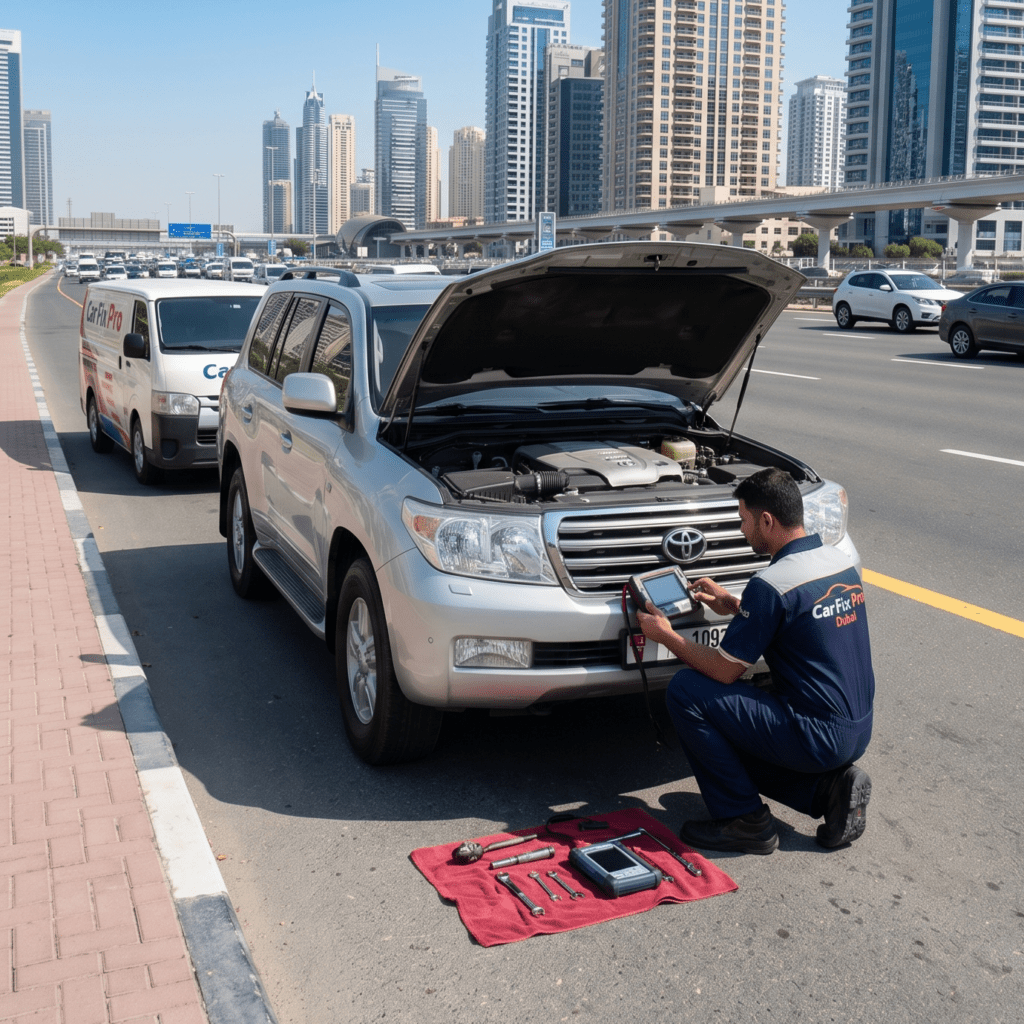
Yes. You don’t always need to visit a workshop for routine vehicle maintenance. Car Fix Pro Dubai’s experienced mobile mechanics can perform professional engine oil changes at your home, office, or workplace using the same equipment, high-quality engine oils, and replacement filters used in many repair workshops.