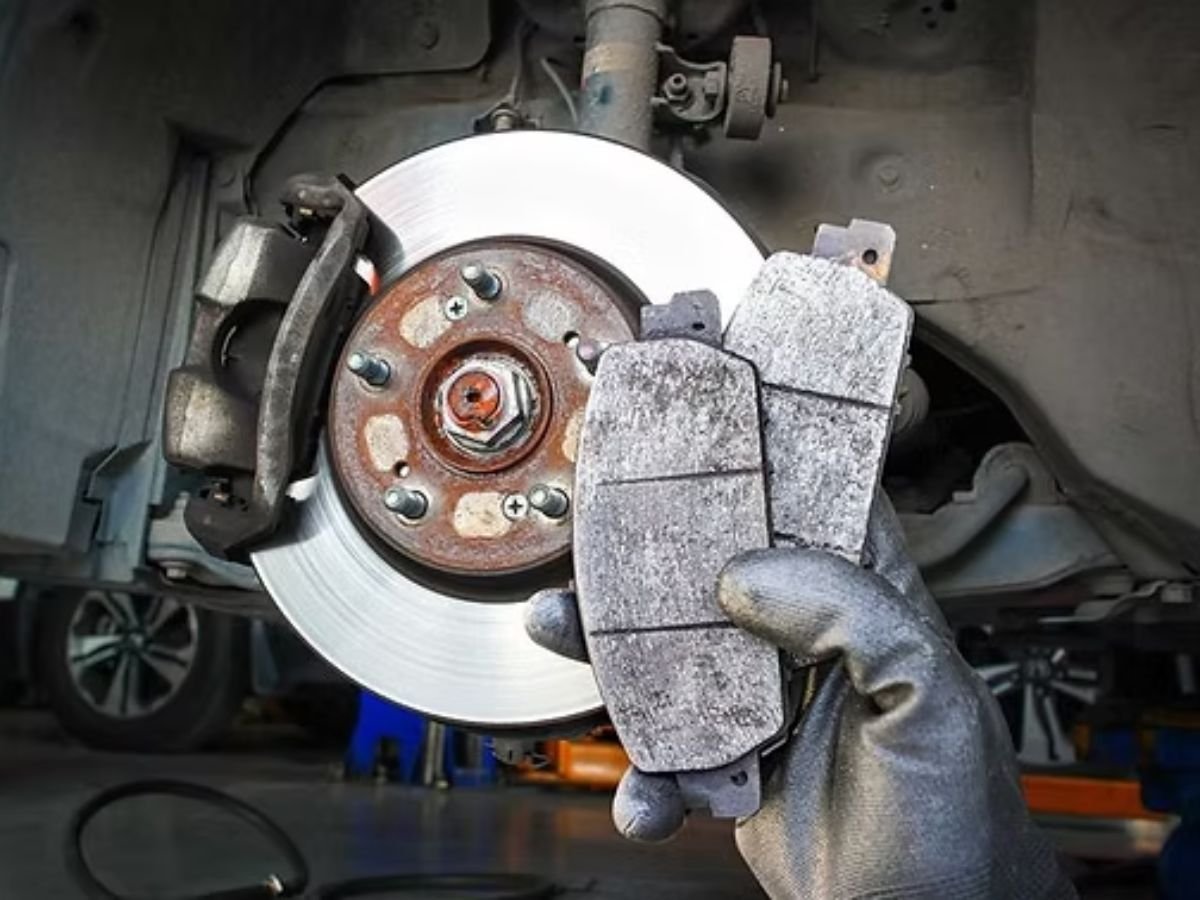
If your car makes squealing or grinding noises when braking, takes longer to stop, vibrates while braking, or shows a brake warning light, your brake pads may need replacement. Ignoring these warning signs can reduce braking performance, damage the brake rotors, increase repair costs, and compromise your safety. Regular brake inspections help identify worn brake pads before they become a serious problem.
If you’re in a hurry, here’s what you need to know:
- Squealing and grinding noises are among the most common signs of worn brake pads.
- Longer stopping distances often indicate reduced braking performance.
- A brake warning light should never be ignored.
- Thin brake pads can damage brake rotors if not replaced in time.
- Replacing brake pads early is usually much less expensive than replacing pads and rotors together.
- Driving habits, road conditions, and vehicle type all affect how quickly brake pads wear out.
- A professional brake inspection is the safest way to confirm whether replacement is necessary.
Your vehicle’s braking system is one of its most important safety components, and the brake pads play a critical role in helping your car stop safely. Every time you press the brake pedal, the brake pads create friction against the brake rotors to slow down or stop the vehicle. Over time, this constant friction gradually wears the brake pads down.
Many drivers don’t realize their brake pads are worn until they hear an unusual noise or notice their car isn’t stopping as quickly as before. Unfortunately, waiting too long can lead to damaged brake rotors, reduced braking performance, and significantly higher repair costs.
In this guide, you’ll learn the most common signs that your car brake pads need replacement, how to identify worn brake pads, when car brake pads should be replaced, and why addressing the issue early can save both money and improve road safety.
What Do Brake Pads Do?
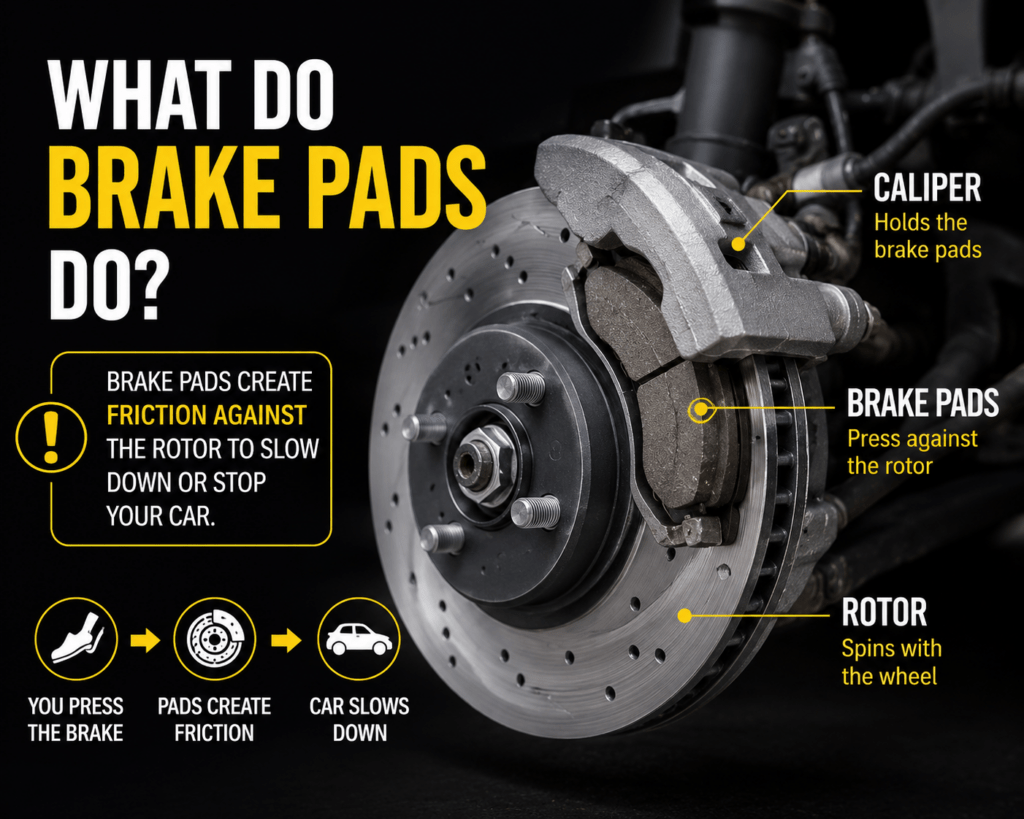
Brake pads are friction materials mounted inside your vehicle’s brake calipers. When you press the brake pedal, hydraulic pressure forces the brake pads against the spinning brake rotors. This friction converts your vehicle’s kinetic energy into heat, allowing your car to slow down safely.
Although brake pads are built to withstand thousands of braking cycles, they are considered a wear item. Just like tires gradually lose tread, brake pads become thinner over time and eventually need replacement.
Several factors affect how quickly brake pads wear, including:
- Daily driving habits
- Heavy city traffic
- Frequent stop-and-go driving
- Aggressive braking
- Mountain roads
- Vehicle weight
- Towing heavy loads
- Brake pad material
- Weather and road conditions
Because every car owner’s or drivers habits are different, two vehicles of the same model can require brake pad replacement at completely different intervals.
10 Signs Your Car Brake Pads Need Replacement
Knowing the warning signs early can help prevent more expensive brake repairs and keep your vehicle safe on the road. Below are the most common symptoms of worn brake pads that every driver should recognize.
1. Squealing or Screeching Noise When Braking
One of the earliest and most recognizable signs of worn brake pads is a high-pitched squealing or screeching sound when you apply the brakes. Most modern brake pads include a small metal wear indicator designed to alert drivers before the pads become dangerously thin. As the brake pad material wears down, this indicator contacts the brake rotor and produces a noticeable squealing sound.
While squealing brakes don’t always mean immediate failure, they should never be ignored. Scheduling a brake inspection at this stage can often prevent more costly damage to the rotors.
Common causes of squealing brakes include:
- Brake pad wear indicator contacting the rotor
- Moisture on the brake surface
- Dust or debris between the pad and rotor
- Low-quality brake pad material
- Glazed brake pads caused by overheating
If the squealing becomes frequent or louder over time, it’s a strong indication that your brake pads may need replacement.
2. Grinding Noise While Braking
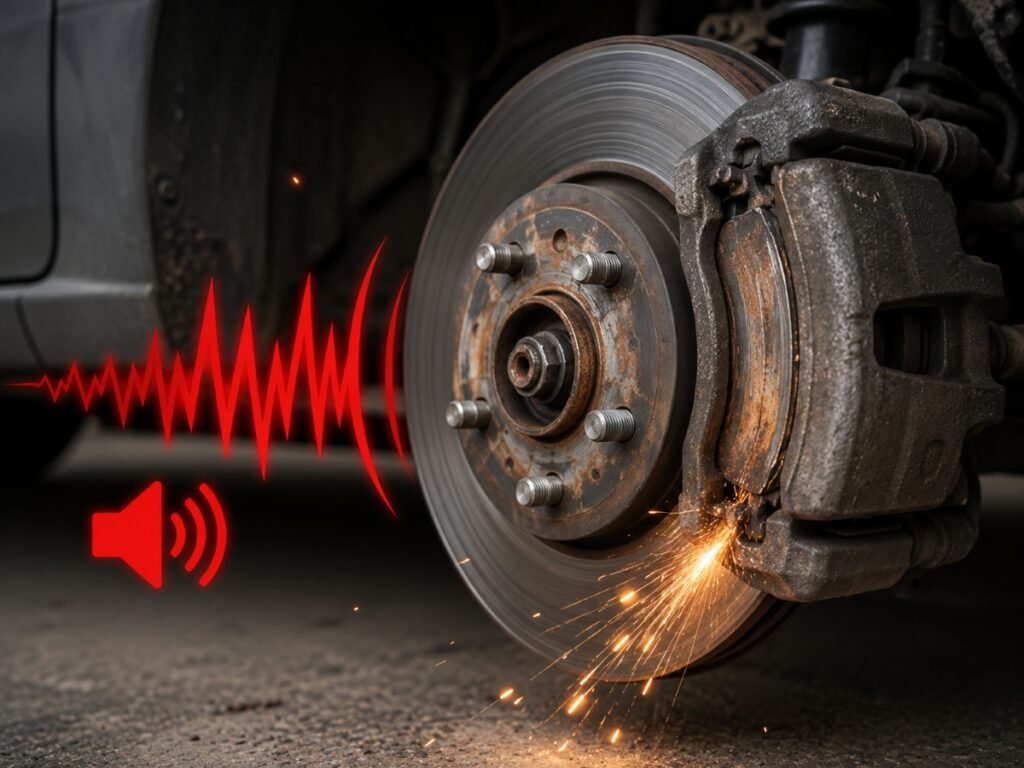
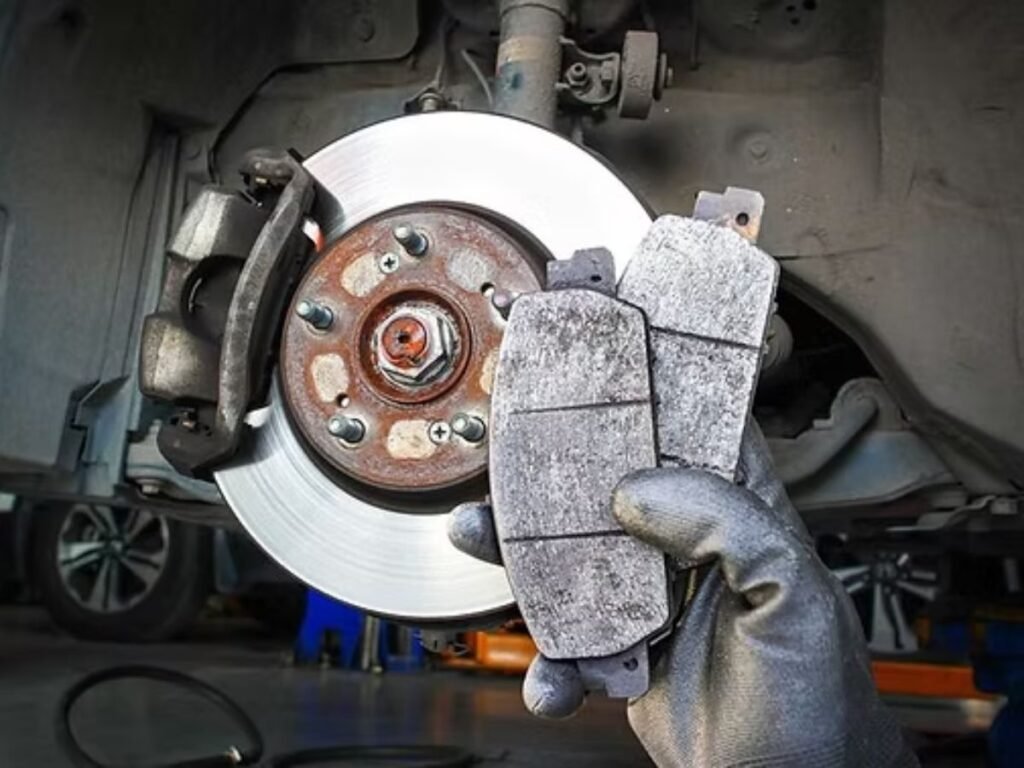
A grinding noise is far more serious than a squeal. Grinding usually means the brake pad friction material has worn away completely, allowing the metal backing plate to rub directly against the brake rotor. This metal-to-metal contact can rapidly damage the rotor surface, making repairs much more expensive.
Ignoring a grinding noise may lead to:
- Deep grooves in the brake rotors
- Reduced braking performance
- Increased stopping distance
- Overheated braking components
- Complete brake system failure in severe cases
If you hear grinding when braking, avoid driving the vehicle unless absolutely necessary and have the braking system inspected as soon as possible.
3. Longer Stopping Distance
If your vehicle takes noticeably longer to stop than it used to, worn brake pads could be one of the causes. As the friction material becomes thinner, the braking system loses efficiency. Although the brakes may still function, they require more distance to bring the vehicle to a complete stop.
This issue becomes especially dangerous during:
- Emergency braking
- Heavy traffic
- Wet roads
- High-speed driving
A gradual increase in stopping distance often goes unnoticed because it develops over time. Comparing your vehicle’s braking performance to how it felt several months earlier can help you recognize this warning sign.
4. Your Brake Warning Light Comes On
Modern vehicles are equipped with dashboard warning lights that monitor different components of the braking system. While not every brake warning light indicates worn brake pads, it should never be ignored. Some vehicles use electronic brake pad wear sensors that trigger a warning when the friction material reaches a minimum safe thickness. In other cases, the warning light may indicate low brake fluid, an issue with the anti-lock braking system (ABS), or another brake-related problem.
If the brake warning light appears while driving:
- Avoid hard or sudden braking unless necessary.
- Check your owner’s manual to understand the specific warning.
- Schedule a professional brake inspection as soon as possible.
- If the light is accompanied by poor braking performance, avoid driving the vehicle until it has been inspected.
A dashboard warning light is designed to alert you before a minor issue becomes a major safety concern.
5. The Brake Pedal Feels Soft or Spongy
Your brake pedal should feel firm and responsive every time you press it. If it suddenly feels soft, spongy, or sinks farther than usual before the brakes engage, it’s a sign that something isn’t working properly. While worn brake pads can contribute to changes in pedal feel, a soft brake pedal may also indicate:
- Air in the brake lines
- Low brake fluid
- Brake fluid leaks
- Worn brake components
- Problems with the master cylinder
Because several issues can produce similar symptoms, it’s important not to assume the brake pads are the only cause. A full brake system inspection will identify the underlying problem and ensure your vehicle remains safe to drive.
”Safety Tip: If your brake pedal suddenly feels unusually soft or travels to the floor, have your vehicle inspected immediately. Reduced braking performance can significantly increase stopping distances.”
6. Vibrations When Braking
Do you feel the steering wheel, brake pedal, or entire vehicle vibrating when you apply the brakes? Although vibrations are commonly associated with warped brake rotors, unevenly worn brake pads can also contribute to the problem. As the brake pads wear inconsistently, they may no longer make smooth, even contact with the rotor. This uneven friction can create noticeable vibrations, especially during moderate or heavy braking.
Common causes include:
- Uneven brake pad wear
- Warped brake rotors
- Heat damage
- Improper brake installation
- Suspension issues (less common)
If vibrations continue to worsen, delaying repairs may increase wear on both the brake pads and rotors.
7. Your Vehicle Pulls to One Side While Braking
When you press the brake pedal, your vehicle should slow down in a straight line. If it consistently pulls to the left or right, the braking force may not be evenly distributed between the wheels.
This can happen when:
- One brake pad wears faster than the other.
- A brake caliper becomes stuck.
- Brake components seize due to corrosion.
- Hydraulic pressure becomes uneven.
Besides making the vehicle uncomfortable to drive, uneven braking can reduce control during emergency stops. Since several braking and suspension problems produce similar symptoms, professional diagnosis is recommended before replacing parts.
8. A Burning Smell After Braking
A strong burning odor coming from your wheels after braking should never be ignored.
Excessive heat can build up when:
- Brake pads become extremely worn.
- A brake caliper sticks.
- Drivers continuously brake on steep downhill roads.
- Brakes overheat due to aggressive driving.
Overheated brakes can reduce friction, causing a condition known as brake fade, where stopping power temporarily decreases.
If you notice a burning smell:
- Pull over safely if possible.
- Allow the brakes to cool.
- Avoid pouring water on hot brakes.
- Arrange for a brake inspection before continuing long trips.
9. Your Brake Pads Look Very Thin
One of the easiest ways to identify worn brake pads is through a simple visual inspection. Many vehicles allow you to see the outer brake pad through the wheel spokes without removing the wheel. If the visible friction material appears very thin compared to a new brake pad, it’s time to schedule an inspection.
During a visual check, look for:
- Cracks
- Uneven wear
- Missing friction material
- Heat damage
- Excessive dust buildup
- Pads wearing differently on each side
Even if the pads appear acceptable from the outside, the inner pad may wear faster, so a professional inspection is still recommended.
10. Metal-on-Metal Contact
This is the final stage of brake pad wear. When the friction material has completely worn away, the steel backing plate contacts the brake rotor directly.
At this point, drivers often notice:
- Loud grinding noises
- Very poor braking performance
- Severe rotor damage
- Increased stopping distance
- Expensive repairs
Replacing brake pads early is relatively inexpensive compared to replacing damaged rotors, calipers, and other brake components after metal-on-metal contact occurs.